Supporting hardware we recommend before Stage 2
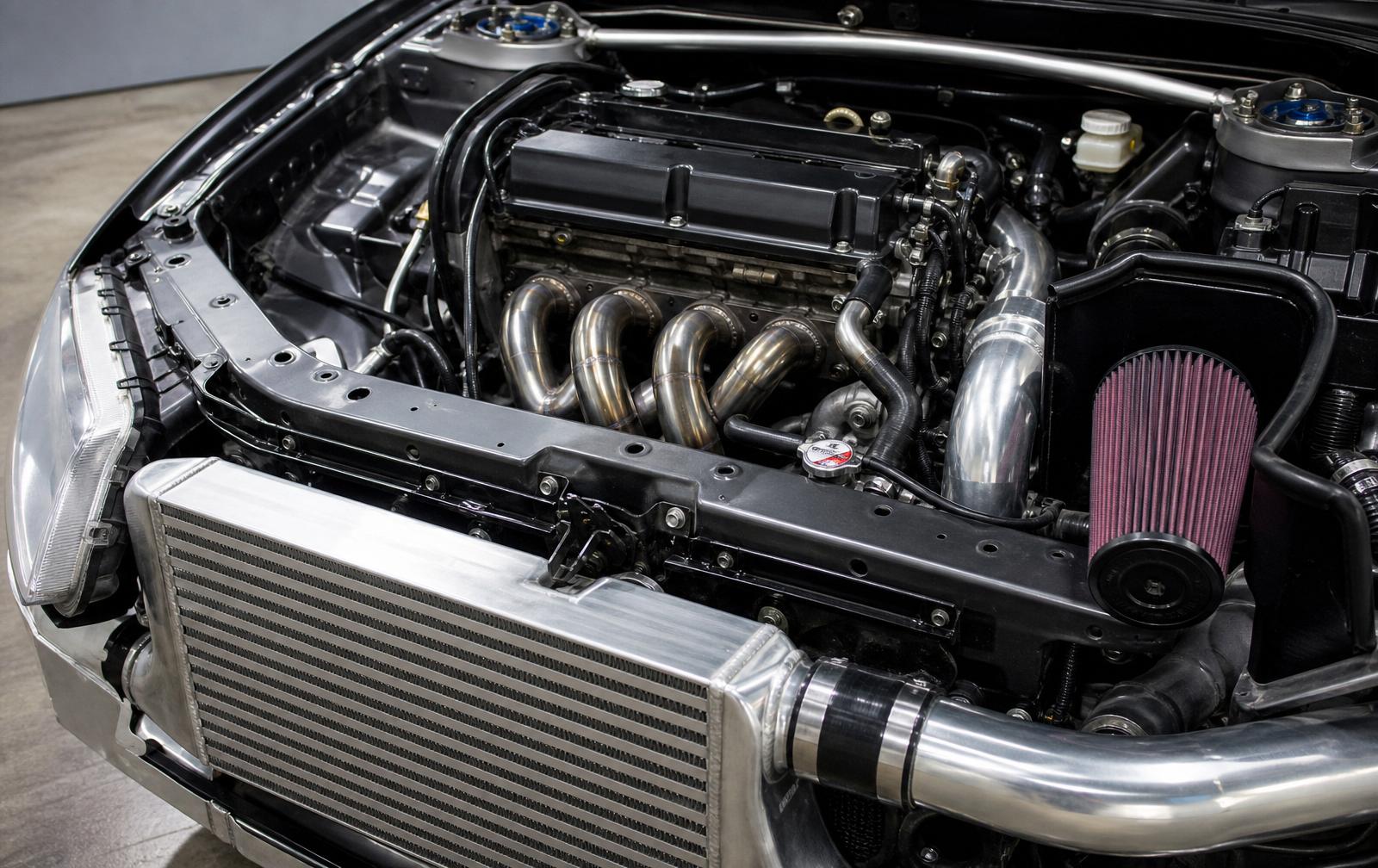
Cold-air or panel intake (depending on engine), uprated front-mount intercooler, high-flow sports cat or 200-cell downpipe, larger intake pipework where applicable, and on high-torque diesels a clutch capable of holding the new torque (e.g. SACHS organic or Helix for VAG TDI builds).
Calibration changes vs a Stage 1
Boost targets raised in line with the intercooler's capacity to keep IATs safe. Fuelling rebalanced for the new exhaust back-pressure (diesel) or freer breathing (petrol). VNT/waste-gate control retuned to avoid boost spikes. Torque limiters raised gear-by-gear to suit the clutch and gearbox. Ignition advance (petrol) optimised within the knock window for UK 99 RON.
Data logging — what we actually look at
Diesel: requested vs actual boost, MAF g/s, fuel rail pressure under load, EGT (where sensor fitted), DPF differential pressure. Petrol: lambda short and long-term trims, knock counter, ignition retard events, charge air temp, MAF/MAP correlation. Every Stage 2 leaves with these logs reviewed and signed off.
Where Stage 2 stops and Stage 2+/Hybrid begins
Stage 2 is bolt-on hardware. The moment you fit a hybrid turbo, larger injectors, methanol injection or a built bottom end, you're into custom hybrid mapping — a separate conversation with a separate quote. We'll tell you honestly when you've crossed that line.
Stage 2 coverage across Merthyr Tydfil, Cardiff, Swansea, Newport, Bridgend, Caerphilly, Port Talbot, Chepstow and Cwmbran
Most Stage 2 work is done at your premises. For complex builds requiring dyno verification, we can arrange dyno time at a partner facility in Maidenhead or Leeds.